


Somewhere between the peak of hurricane season and the hottest days of summer lies August. It might seem counterintuitive, but this is actually the perfect time to start getting your landscape ready for fall and winter. In Central Florida, winter can bring the occasional cold snap or frost, so a little planning now goes a long way.
August is also ideal for refreshing your garden with transitional plants that bridge the gap between seasons. It may feel like endless work, but with the right approach, August can set the stage for a beautiful, resilient landscape in the months ahead.
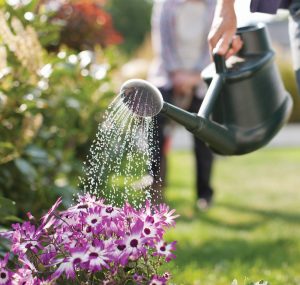
The best practices for summer also lay the groundwork for a healthy landscape come winter. Manage mulching, irrigation, and pruning now to support plant health as the seasons shift.
Maintain at least 2 to 4 inches of mulch around your plants. Mulch helps buffer soil temperatures, reduces water stress, and enriches the soil as it breaks down, encouraging strong root development. Avoid overwatering by giving turfgrass and ornamental beds no more than half an inch of water twice per week. Mature trees and established hedges typically don’t need supplemental irrigation during this time.
Tropical plants are actively growing now. Extra watering can trigger excessive flushes of growth, causing the plant to use up valuable energy. This lush growth makes them more susceptible to insects and diseases. A large, weakened plant is not ideal heading into the cooler fall and winter months.

Pruning and deadheading tropical plants such as hibiscus encourage more blooms deep into the fall. Removing dead or diseased branches now gives plants time to recover while they’re still actively growing.
These Florida-Friendly Landscaping techniques will help reduce the impact of cooler temperatures on tropical and subtropical plants. Taking these steps now will protect their health, preserve their beauty, and reduce the likelihood of costly replacements in the spring.

If your garden beds have taken a beating since May, refreshing them with a few hardy perennials can carry your landscape through fall and beyond. Pentas, crossandra, red salvia, angelonia, torenia, and gaillardia all thrive in the heat of late summer. These plants share similar watering needs, so you can confidently mix and match them for color and variety.
Choose smaller plants when possible; they establish more quickly and grow rapidly in warm weather. Don’t forget to replenish the mulch in your beds to help retain moisture, suppress weeds, and protect roots from temperature extremes.
Stay vigilant—hurricane season is about to ramp up. As you enjoy your landscape this summer, take a few moments to scan for potential hazards in the event of strong winds. While large items like umbrellas are usually secured, it’s easy to overlook medium-size pots on upper decks, railings, or patio edges. Take time now to reposition or anchor these items to reduce the risk of damage and keep your property safe.

All these practices set you up for a safer, more beautiful, and smoother transition into fall. Personally, I’ve got my eye on the firepit on the west side of my yard. It needs a little TLC if it’s going to be the cozy gathering spot I imagine for cooler evenings ahead. I’m also looking forward to sharing some tropical foodie delights with friends, featuring homegrown mangoes, guavas, and starfruit. If you’ve never tried starfruit jam on cheesecake, just wait: September is going to be delicious.
Nickie Munroe is an environmental horticulture agent with the University of Florida’s IFAS Indian River County Extension.




 True Tails is a series written by Amy Robinson for Vero Beach’s dog lovers. Ask Amy about your dog’s behavior by clicking below.
Facebook Comments